AMC pricing for studios and 1-bedrooms: is it worth it?

Studio AMC in Dubai — working out if a small-apartment maintenance contract is worth it.

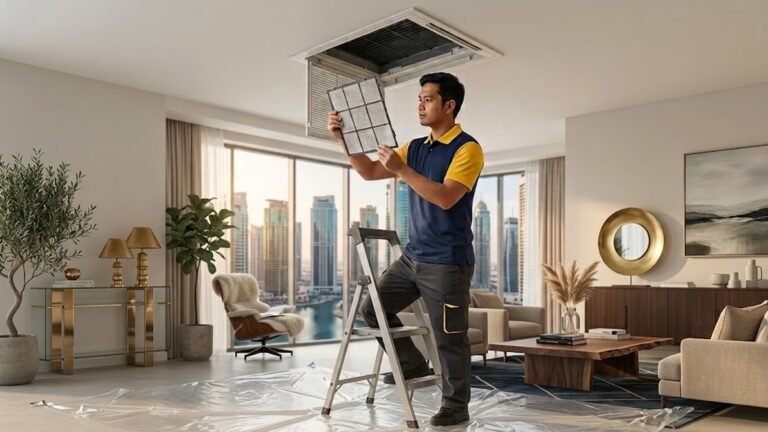
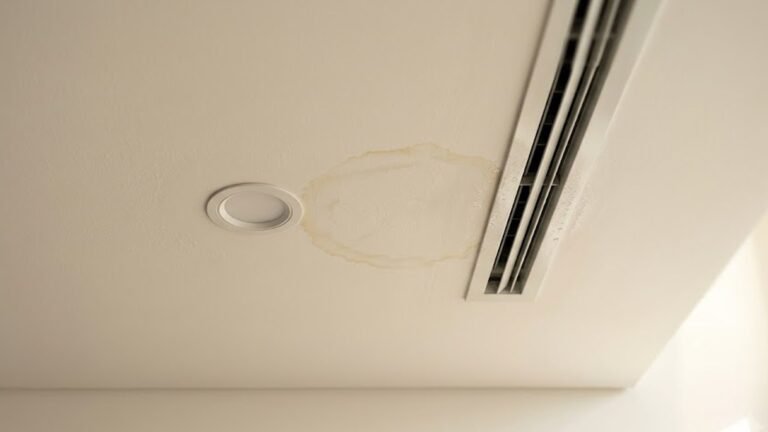
If you are in a studio or a one-bedroom and wondering whether a studio AMC is worth it, here is the answer most maintenance companies will not give you plainly: across a normal year, you are usually better off paying as you go. The contract earns its price in specific cases, and this post is about telling them apart. Bottom line: For most studios and one-bedrooms, the arithmetic favours paying per visit across a normal year. An AMC starts to make sense when your home is prone to several emergencies a year, when you are a landlord running the place from afar, or when fast response and a fixed cost are worth the premium to you. Below is the actual maths, and the cases where a contract wins. A studio AMC is one of the few cases where we will often tell you to wait, and we would rather show you the numbers than talk you into a contract. The instinct most small-home owners have is to measure the decision by square footage, as though a compact apartment must need less of everything. That is the wrong number to start from. What sets the price of a contract is the air conditioning, because AMC pricing tracks AC units, not rooms. But what sets the value of a contract is something else entirely: how often your home actually needs a technician for an air conditioning, electrical or plumbing emergency. Those two things pull in different directions, and that gap is the whole story of this post. What a small home really costs to maintain in a normal year Take a one-AC studio or one-bedroom in a typical year. Realistically that is one or two AC service visits, two or three emergency or non-emergency callouts across the year, and a few hours of odd handyman work. 1–2 AC services @ AED 225 ~AED 225–450 2–3 callouts, approx 1.5h @ AED 220 ~AED 660–990 A few hours handyman (charged, contract or not) ~AED 660 Typical ad-hoc year ~AED 2,000–2,200 Silver AMC, 1 AC unit (plus handyman at −10%) AED 2,400+ At ad-hoc rates, an AC service runs around AED 225, and emergency callout labour sits at roughly AED 220 an hour. Handyman hours are charged on top, because handyman and carpentry work sits outside AC, electrical and plumbing cover whether or not you hold a contract. Add it all up and a normal year for a small, lightly used home lands somewhere around AED 2,000 to 2,200. Set that against the entry Silver tier for a one-AC apartment at AED 2,400 a year, on top of which handyman work is still charged, at a 10% discount. For light, predictable demand, paying per visit is usually the cheaper year. The contract is not bad value. It is simply more cover than a quiet home draws on. If you want the full tier tables rather than this single comparison, our AMC cost guide sets out every number. The shape of it for a small home is the point here: low demand and one unit rarely fill a contract’s worth of value in a normal year. The number that flips the decision is emergencies, not AC units Here is the part that AC-count alone hides. The price of your AMC is set by how many AC units you have. The value of your AMC is set by how often something goes wrong, and that covers far more than the air conditioning. A Silver contract includes air conditioning, electrical and plumbing emergencies, with unlimited callouts and all labour free. What it does not include is handyman or carpentry work, which is charged separately on every tier. So the real question is how many times a year your home needs a covered technician, for a tripping circuit, a leaking pipe, a blocked drain, or an AC that has stopped cooling. On the numbers above, a one-AC home breaks even against its Silver contract at around five or six emergency callouts in a year. Below that, paying per visit wins. Above it, the contract pulls ahead, and keeps pulling ahead, because every further covered callout is free labour, but adds another AED 300 or so each time you pay ad-hoc. The same logic applies when a repair needs a part. You pay for the part either way, but on a contract the labour to fit it is included, where ad-hoc work adds it to the bill. So a quiet one-AC home with two or three callouts a year should pay as it goes. A one-AC home that keeps having problems, five or six events across the year, is exactly the home an AMC is built for, even with a single unit. The unit count never changed. The emergency count did. Why rain has started to matter for this maths There is a reason the emergency count is harder to predict than it used to be. Rain has become a more regular fact of Dubai life, and water finding its way into a property is precisely the kind of plumbing event that turns a quiet year into a busy one. A blocked drain backing up or water seeping in after a heavy downpour is an unplanned plumbing callout, and it does not care how many AC units you have. A home that might have sailed through a dry year on two callouts can find itself needing five in a wet one. There is an important line to draw here. Clearing the blocked drain or stopping the active leak is covered plumbing work, with labour included. Re-doing failed waterproofing, re-sealing a loose membrane, or replacing damaged tiling is not. Those are out-of-scope works, charged separately, even though they often follow the same storm. The covered part is the emergency response. The repair to the fabric that let the water in is a separate job. If your building or your floor has a history of taking on water when it rains, your likely emergency count is higher than the sunshine version of the calculation suggests, and

When an AMC is the wrong choice for you

Dubai homeowner deciding whether they need an AMC for their apartment

Do you need an AMC in Dubai, or are you about to sign an annual maintenance contract your home does not actually need this year? Bottom line: An AMC is worth it when your home needs enough regular attention that catching problems early and having one predictable cost helps. For plenty of Dubai homes it does, for others it quietly does not. We would rather tell you which group you are in than sign you up anyway. Here are the cases where we would tell you to wait. An AMC is probably not worth it this year if: An AMC genuinely earns its price if: The rest of this post explains each case, so you can place your own home. The question “do I need an AMC in Dubai” has a real answer, and for a meaningful share of homes the answer is not yet, or not this year. Knowing which group you are in before you sign matters more than any discount. The real value of an AMC is not that you come out ahead on repair bills. It is that someone is looking at your home on a schedule, so the small things get caught before they grow into the expensive ones, and a fixed annual cost replaces the unpredictable invoice that lands at the worst moment. For a home that needs that kind of steady attention, the peace of mind is worth paying for on its own. For a home that genuinely does not, you are paying to protect against problems it was never likely to have. This post is about working out which home is yours before the money changes hands. Where the pure cost comparison tips in favour of a contract is a separate question, and we have set out that maths in our guide to when an AMC starts to make sense. It is about something simpler: whether your home makes a contract worth having this year. So here are the situations where an AMC is probably the wrong call for you right now. None of them mean an AMC is a bad product. They mean it is the wrong product for your home this year. If you recognise your home in one of them, the useful move is to wait, not to sign. Your property is new and still under developer warranty If you have just taken handover of a new apartment or villa, most of what could go wrong in the first year is already someone else’s responsibility. Developers and equipment manufacturers carry warranties on AC units, water heaters, and major systems, often for the first twelve months and sometimes longer. An AMC does not replace that cover. It is worth being plain about this, because it works against us. Our own contract excludes warranty repairs on equipment still under developer or manufacturer warranty. For a brand new home, an AMC would be charging you to stand next to equipment that someone else is already obliged to fix. The better move is to note when your developer warranty ends, keep the handover documents safe, and look at an AMC as that cover runs down and the equipment moves onto your account. A new home in its first year is the clearest case where waiting costs you nothing, because the cover you would be paying for already exists elsewhere. You have a small home, one AC unit, and light use AMC pricing tracks the number of AC units, because those units are the main driver of maintenance work in a Dubai home. A compact apartment with a single split unit, lightly used because you travel often or cool the place only in the evenings, simply does not generate much work over a year. For a home like that, two or three ad hoc service visits a year may cost less than the contract. The maths is not the point of this post, and our pricing breakdown covers it if you want numbers. A small, low demand home is the profile least likely to need the steady attention a contract is built to provide. If that sounds like your home, there is no harm in starting with a single inspection and service, then deciding. You can always move to a contract later, and light use this year does not lock you out of cover next year. You are genuinely handy and already have trades you trust Some owners change their own AC filters, know which plumber to call, have a reliable electrician saved in their phone, and are comfortable managing all of it themselves. If you have built that network over years and it works, an AMC is buying you something you have largely already arranged for yourself. What a contract adds in that case is mainly convenience and a guaranteed response time, rather than access you lack. That can still be worth paying for if your time is scarce, but if your contacts are solid it is a smaller upgrade for you than for someone starting from nothing. The real test here is whether you actually use that network or just believe you have it. If the plumber you trust last worked for you three years ago, you may be less covered than you think. You are selling soon, your lease is ending, or you are leaving Dubai An annual contract assumes you will be in the property for the year. If you are listing the place in a few months, coming to the end of a tenancy, or planning to leave Dubai, that assumption does not hold, and a twelve month commitment is the wrong shape for your situation. There is a distinction worth drawing here. If you are leaving Dubai or selling up entirely, the contract can be cancelled: we keep a 25% retainer and refund 75% of the unused period, worked out monthly. So it is not a disaster, but paying in, drawing little, and cancelling for a partial refund is worse than not signing at all. If instead you are moving within

Hidden costs in AMC contracts: what to watch for before signing

A maintenance contract on a desk with one clause highlighted, illustrating where hidden costs hide in AMC agreements

The expensive surprises in a maintenance contract almost never hide in the price. They hide in the clauses around it, in the rules you skimmed before you signed. Here are the five places to check before you do, and exactly where we stand on each. Before a recent AC job, a customer asked us a question that sits underneath almost every maintenance contract ever signed. He wanted to know, before booking anything, whether the visit would fix his problem “without any additional charges.” “so if u r coming issue will be fixed without any additional charges right?” We told him plainly. The service rate is the service rate, and if parts are needed to resolve the issue, those are billed separately. He knew the rule before he agreed to anything, which is the only point at which knowing it actually helps you. That small exchange is the whole subject of this post, though it goes well beyond parts. The hidden cost in a maintenance contract is almost never the charge itself. A part costs what a part costs, and so does a callout, a renewal, or a cancellation. What stings is finding out about any of them after you have signed, when the rule that produced the charge was sitting in a clause you skimmed, written to be skimmed. The cost was never hidden. The rule was. So this is not a list of things AMCs charge you for. We already published our prices in the cost guide and our coverage scope in the what-is-covered guide, both line by line. This is the layer underneath: the five places in an AMC contract where surprises hide. In what is excluded, in faults later called pre-existing, in how you exit, in how it renews, and in what reaches your invoice without your say-so. Vague exclusion lists Every AMC excludes some things: structural work, full renovations, damage from misuse. A clear contract lists those plainly. The trap is the exclusion list written vaguely enough that the provider gets to decide, after the fact, what falls inside it. Phrases like “general maintenance as required” or “major works excluded,” with no definition of what major means, are not really scope. They are room to argue, and you are the one who loses the argument once the work is already done. The tell is whether the boundary is defined in advance or decided on the day. Is “emergency” a written definition you can read before you sign, or a judgment the provider makes when you call? Is “out of scope” a list you can point to, or a feeling that arrives with the invoice? A defined exclusion names the thing. Ours do: underground or concealed pipework, structural repairs and wall demolition, swimming pool systems, and specialised systems outside an MEP licence such as IT, smart-home, and AV equipment. The pipework line is the one people miss most. Reaching a leak buried in a wall or under a floor means opening up the structure, which is a different job from the routine plumbing most people picture. You may not love that those sit outside the fee, but you can read them and price them before you sign. A vague exclusion does the opposite, leaving the provider to draw the line once the work is underway. Ours are written down. What counts as an emergency, what counts as an in-scope repair versus a billable addition, where covered labour ends and parts begin: all of it is set out in the what-is-covered guide and the contract itself, not decided in the moment. You should be able to read the line before you find yourself on the wrong side of it. Faults blamed on “pre-existing” conditions This one only surfaces months after you sign. Something fails, you call it in, and the provider inspects it and tells you the fault was already there when the contract started, so it falls outside cover. You are now paying full price for a repair, at the worst possible moment, on a judgment made after the fact. The tell is whether the provider looks at the property before the contract starts or only after something breaks. A company that inspects up front has no room to claim surprise later. One that skips it has every incentive to find a pre-existing fault the day you need them most. We run a pre-contract survey within 10 days of signing and put the findings in writing within 48 hours. If it turns up a pre-existing fault, we say so plainly, and that system stays outside cover until the repair is done. That part is worth being straight about: a survey finding can mean a repair bill before you are fully covered. The difference is that you learn it in the first week, with a written quote you can weigh, rather than at 2am during a breakdown when you have no leverage. What you lose if you cancel early This is the one providers are quietest about, which is exactly why it belongs in a post like this. What happens to your money if you cancel partway through the year? Some contracts say nothing at all, which means you find out the terms during the argument rather than before it. Others are written as fully non-refundable, so the provider keeps everything regardless of how little of the year you used. Both are worth catching before you sign, not after. The tell is simply whether the contract tells you anything at all. A cancellation term you can read up front, even one you do not love, is a better sign than silence. Here is ours, named rather than buried. If you cancel partway through, we deduct a 25% administration and mobilisation retainer from the annual value, then refund 75% of whatever is left of the unused period, worked out month by month from the date you give notice. The contract spells it out with a worked example: cancel four months into a 12-month AED 6,000 contract, and the eight unused months are worth

What you actually save with PPM (and what you don’t)

A Dubai home electricity bill and a phone calculator on a kitchen counter, illustrating preventive maintenance savings

Does preventive maintenance actually save you money, or does it just feel like the responsible thing to do? The real answer is some of both, and the difference matters more than most contracts admit. The bottom line, up front. Preventive maintenance (PPM) saves you money in a few ways: it catches small faults before they become big repairs, it keeps your AC running efficiently so your DEWA bill stays lower, it lets you schedule work calmly instead of paying emergency rates when something fails in July, and it stretches the working life of expensive equipment like your water heater and pump. There’s a version of the preventive-maintenance pitch that treats it like a guaranteed discount: pay us a yearly fee, save more than you spend, simple. That version isn’t quite true, and you’d be right to be sceptical of anyone selling it that way. The truthful version is more interesting. PPM does save you money, but the saving doesn’t always show up where people claim it does, and in some situations it doesn’t show up at all. So here’s the actual picture: where the savings are real, where they’re soft, and where calling us only when something breaks is the smarter call. Quick definition first. Preventive maintenance (PPM, or planned preventive maintenance) is scheduled servicing on a set cadence: your AC, plumbing, water heater and electrics get checked and tuned on a calendar, before anything fails, rather than after. The point is to catch the small thing on a planned visit instead of meeting the big thing during an emergency. The ways PPM actually saves you money When the saving is real, it comes from one of a few places: a repair you avoided, electricity you didn’t waste, an emergency premium you never paid, or equipment that lasts years longer than it would have. Different mechanisms, showing up at different times. Worth taking each on its own terms. 1. Avoidance: catching the small thing before it becomes the big thing This is the strongest and most consistent saving, and it’s the least visible, because you never see the bill you didn’t get. A worn part spotted on a scheduled visit is a quick, low-cost replacement. The same part left to fail mid-summer can take a major component down with it, and a small job becomes a four-figure repair. A personal example, since it’s the cleanest one I have. The founder of Fixo Felix lived in a ground-floor duplex with a patio, and the outside garden drain was blocked. That’s the kind of thing a routine check clears in minutes. Nobody checked it. When the rains came, the ground floor flooded: damaged internet equipment, a fridge emptied of spoiled food, and a few thousand dirhams of repairs across the lower floor. A blocked drain is not glamorous, and not expensive to clear. Left alone before a storm, it cost more than years of preventive checks would have. You can’t predict which part it’ll be in any given year, which is why the regular look matters. Most years nothing dramatic happens. The saving is in the years something would have, and didn’t. 2. Efficiency: a clean system is a cheaper system to run An AC unit that’s serviced regularly cools using less electricity than one running on clogged filters and dirty coils. In Dubai, where the AC carries the bulk of your summer power use, that efficiency gap shows up directly on your DEWA bill, month after month, for the months that matter most. We covered why a dirty system loses efficiency in our post on why preventive maintenance pays for itself. What’s worth adding here is how Dubai’s electricity pricing turns that loss into real money. DEWA bills electricity in rising bands, so the more you use, the more each extra unit costs: Monthly usage Rate First 2,000 kWh 23 fils per kWh 2,001 to 4,000 kWh 28 fils per kWh 4,001 to 6,000 kWh 32 fils per kWh Above 6,000 kWh 38 fils per kWh A home running AC all summer sits high in those bands, often near the top. That’s the part most people miss. The electricity a fouled system wastes isn’t billed at the cheap rate. It’s billed at your highest one, because it stacks on top of everything you’re already using. So the same inefficiency costs more in July than in January, and more in a heavy-use home than a light one. Picture a peak-month bill around AED 2,500. A neglected system quietly drawing extra power, taxed at that top 38-fils band across four or five hot months, can add a few hundred dirhams over a summer without you ever seeing a separate charge for it. It’s money leaving your account whether you notice it or not. 3. Duress: planned work is cheaper than panic work A scheduled service happens on a quiet weekday at a planned rate. A breakdown happens when it happens, which in Dubai means a 45-degree afternoon, often a weekend, often the one week every contractor in the city is slammed. That’s when you’re least able to shop around and most likely to accept whatever’s quoted, fast. Preventive visits move as much work as possible out of that high-pressure window and into the calm one. You’re not just paying less per job, you’re making the decisions with a clear head instead of a hot flat and a family asking when the AC’s coming back. This is the saving that’s hardest to put a figure on and easiest to feel. Anyone who has waited days for a contractor in peak August, while the bedrooms stay unusable, knows the cost isn’t only the invoice. It’s the nights the family can’t sleep, the work-from-home day that falls apart, sometimes a hotel bill while you wait. None of that lands on the repair quote, but it’s the part most people remember. It’s also the weakest negotiating position you can be in: when you need the problem gone now, you take whatever’s offered. 4. Lifespan: equipment that’s looked after simply lasts

Silver vs Gold vs Platinum: what each AMC tier actually buys you

A hand adjusting an AC thermostat in a Dubai apartment — how AMC tiers set service frequency

Silver, Gold, or Platinum? When you ask what separates the three AMC tiers, the answer catches most people off guard: it isn’t what’s covered. Every tier covers the same trades, the same unlimited emergency callouts, the same boundary between included and billed-separately. What you’re really choosing is something else. Roughly: Silver suits a lightly-used home with someone usually around, Gold suits a busy family home that runs its ACs hard, and Platinum suits a high-use property or one you can’t keep an eye on yourself. First, what every tier already gives you This is the part most comparison charts skip. Before any tier adds a thing, all three include the same core: planned servicing across air conditioning, electrical, and plumbing, the full minor AC service checklist on every visit, and a digital service report after each one. All three also include unlimited 24/7 emergency callouts with every hour of repair labour covered. And the line between what’s covered and what’s billed separately is identical across the tiers. If you want that boundary in detail, we wrote a whole post on what an AMC covers and where covered ends. So it’s worth clearing up a common assumption straight away: the cheaper tier does not leave you exposed in an emergency. A Silver customer with a flooded bathroom at midnight gets the same unlimited, labour-free callout a Platinum customer does. The difference is the clock, not the coverage. What changes as you move up the AMC tiers We’ve covered why your AC count sets the price; the tier sets something else. Four levers move as the price rises. Very little else does. What you’re buying Silver Gold Platinum AC services / unit / year 2 3 4 Electrical & plumbing inspections / year 1 each 2 each 3 each Emergency response time 120 min 90 min 90 min Non-emergency response Same day Same day 6 hours Small consumables & minor spares No Yes Yes Touch-up paint (materials/yr) No AED 250 AED 250 Discount on extra / handyman work 10% 15% 20% Named account contact No No Yes Annual summary report Add-on Add-on Included 1. How often we’re in your home The clearest difference is frequency. On Silver, each AC unit gets two planned services a year, with electrical and plumbing inspected once. Gold lifts that to three AC services and two inspections of each trade; Platinum to four AC services and three inspections each. In practice that’s the gap between your AC being serviced about every six months and about every four. On Gold, your filters are clean going into summer and again at its peak, not just once at the start of the season. On a unit that runs almost year-round, that cadence is the difference between catching a tired part on a routine visit and meeting it as a breakdown in August. It matters more here. In Dubai’s dust and humidity, the longer an AC goes between services, the more grime builds on the coil and gets pushed back into the room. Gold and Platinum get it cleaned ahead of the peak-summer strain, not after. 2. How fast we reach you in an emergency Every tier has unlimited emergency callouts; what changes is the promised response time. Silver commits to 120 minutes, Gold and Platinum to 90. For non-emergencies, Silver and Gold are same-day while Platinum tightens to six hours. On any tier, if we arrive more than 30 minutes past the emergency window, you’re owed a free additional callout. If a two-hour wait with no cooling and small kids at home sounds like a long two hours, that 90-minute clock is a real part of what the step up buys you. 3. How much small stuff we absorb This is the jump people feel most, and it lands between Silver and Gold. On Silver, small consumables and minor parts are quoted as they come up, and out-of-scope or handyman work carries a 10% discount. Gold and Platinum fold the small stuff in: consumables under AED 40, minor electrical spares like fuses, sockets and switches, and touch-up painting up to AED 250 of materials a year. The discount on extra work rises to 15% on Gold and 20% on Platinum. Nobody wants to approve a separate AED 35 invoice for a fuse or a drain tablet while they’re at work. The step up to Gold is, simply, an “anti-annoyance” upgrade: we absorb the small stuff so it stays off your phone. 4. A named contact and an annual report (Platinum) The top tier adds something the others don’t: a dedicated account contact, one named person who knows your property, plus an Annual Maintenance Summary Report pulling together every visit, inspection and work order from the year. That report does more than tidy your records. It’s the kind of documentation a landlord can lean on for RERA or Rental Disputes Centre matters, and it supports the Quality and Safety Certificate under Dubai’s Building Safety Law No. 3 of 2026. Silver and Gold customers can add the report on; on Platinum it’s built in. One way to read the tiers: the step from Silver to Gold is mostly functional, meaning more visits, a faster emergency clock, and fewer small bills. The step from Gold to Platinum is mostly about being looked after when you can’t be there: a name to call, and a record to show. So which tier is actually right for you? The useful question isn’t “which is best” but “how hard does my home work, and how much of it can I watch myself?” Two things drive the answer: usage and presence. Silver, if your home runs light and you’re usually around A smaller apartment with one or two ACs, used by people who are home often and comfortable handling the odd small thing, rarely needs more than Silver. You’ll notice a problem early, and a two-hour emergency window is fine because you’re there to catch it. You’re also not paying for visits the property doesn’t need. If that’s you, Platinum

Why does each AC unit add to your AMC price?

Row of outdoor AC condenser units on a Dubai rooftop, showing how AMC price scales with the number of AC units

You added one AC unit to your quote, and the AMC price moved. So why does each AC unit change your AMC price, and why isn’t it a flat figure? Why your AC count drives your AMC price Of everything in your home that an AMC covers, your AC units are the parts that get touched most. Plumbing and electrical get inspected once or a few times across the year. Each AC unit gets a full preventive service two, three, or four times, depending on your tier. There’s a reason AC sits at the centre of it. In a Dubai home, cooling is the single biggest load on the property: by DEWA’s own figure, air conditioning is around 60% of electricity use. The system carrying most of that load is also the one most likely to need attention. So when you add a unit, you are not adding one more fixture to a list. You are adding another year of scheduled visits, another machine that can fail in August, and another set of parts to keep ready. We already worked through the full value-math of a contract in what an AMC costs in Dubai, so this post stays on the narrower question: what one more unit actually adds. What you’re paying for, per unit Three things travel with every AC unit you put on the contract. Scheduled servicing Each unit gets its own preventive service on a set cadence: twice a year on Silver, three times on Gold, four times on Platinum. Two units means double the visits, double the filter cleans, double the drain flushes. That labour already sits inside your price, so adding a unit adds a full year of it. Parts and components Every unit carries its own coil, compressor, fan motor, thermostat, capacitor, and drain line. More units mean more components that can wear, and more parts kept ready so a callout doesn’t stall waiting on a delivery. The parts themselves are billed separately when something needs replacing. What the contract holds is the readiness to fix any of your units quickly, whichever one fails first. Emergency exposure When something fails in a Dubai summer, it is usually the AC. Plumbing and electrical emergencies happen, but cooling is the system under the most strain when it is 45 degrees outside, so it is the one that calls us out most. Some of what gets logged as a plumbing emergency even turns out to be the AC. A blocked drain line backs up and water comes through a ceiling, but the real fix is cleaning the unit, not the pipework. Every tier includes unlimited emergency callouts with the labour covered, so that risk is priced across the contract. One unit is a small exposure. Four units in a villa in JVC running flat-out through July is a larger one, and the price reflects it. Why your whole contract is priced off your AC Here’s the part that feels odd: your plumbing and electrical cover is priced off your air conditioning too. Why should the number of AC units decide what you pay to have your taps and sockets looked after? Part of it is that the AC count tracks the size of a home reasonably well: more units usually means more bathrooms, a heavier electrical load, and more of everything that can need attention. But bedrooms or floor area would tell you roughly the same thing. What the AC count adds is the part those don’t. It is the system that drives the most work and the most risk, so it works as a size guide and a workload guide in one number. So rather than charge you three separate premiums for AC, plumbing, and electrical, the contract folds them into one figure and uses the count as the yardstick for the whole job. The thing that drives the most work doubles as a fair measure of the rest. Why a unit costs more on Gold or Platinum than on Silver The size of that increment isn’t fixed either, because your tier sets how much attention each unit gets. On Silver, an added apartment unit tends to bring around AED 600 onto the annual price. On Platinum, the same unit can bring closer to AED 1,200, because Platinum services it four times a year instead of twice, with a faster emergency response behind it. So the tier is really the rate of attention per unit. Pay for more frequency, and each unit you add costs more, because each unit gets more. That trade-off is the thinking behind choosing a tier in the first place, which is its own question for another day. Villas work a little differently. Their pricing comes in bands by AC count rather than one unit at a time, so the cost steps up as you move from a two-to-three unit band into a four-to-five unit band. A villa with the same unit count as an apartment still costs more, for reasons beyond the units. That is a topic for a separate post. What this means for you If you have a single AC unit, you are already at the floor of the pricing, and your tier choice matters more than your count. If you have three or four units, the count is most of your price. So that is where the real decision sits: not whether to cover them, but how often you want each one serviced across the year. Either way, the number on your quote moves with your AC count because that count is the real size of the job. If you’re weighing up cover for your units, the easiest place to start isn’t a contract. It’s a single service. Our pre-summer bundle pairs an AC service with a preventive check, so you can see how your units are actually doing before you decide how much cover they need. Message us on 800 FIXO (3496) and we’ll take it from there. Energy figure: Dubai Electricity & Water Authority (DEWA) summer peak-load

What your AMC actually covers, and where covered ends.

Fixo Felix technician ticking items on a home maintenance service report — what an AMC covers in Dubai

What does an AMC actually cover? Three kinds of work, in three different ways: knowing which is which tells you exactly what happens when you call, and what lands on the invoice. A villa owner messaged us about a bad smell coming from his ducted AC. We talked through the inspection and the hourly rate, and then, before booking anything, he asked the question most people are turning over in their heads but don’t always say out loud: “If the job requires you to bring materials, so you need another visit, will you charge me again?” A few messages later, having sat with the adhoc maths for a moment, he asked the second one: “You do service contract?” What he was really asking, across both questions, is the thing nobody quite spells out when they sell you an AMC. When I’m on a contract and something happens, what’s actually covered? What comes free, and what still shows up on a bill? It’s a fair question, and the answer is clearer than most providers make it sound. An AMC covers three different kinds of work, and it covers each of them in a different way. Once you can see the three, the whole thing stops being vague. The first kind: reactive callouts This is the part people underestimate before they own a contract, and the part they value most once they do. Something breaks, you call, a technician comes out and fixes it, and the labour is included. No per-visit charge, no hourly meter running while they work. Across all tiers, these callouts are unlimited. That’s the engine of the contract. Not the scheduled servicing, not the discounts, but the simple fact that when something goes wrong you make one call and the labour to put it right is already paid for. Parts, if a repair needs them, are billed separately, and we’ll come back to exactly where that line sits later on. What changes from one callout to the next isn’t whether it’s covered. It’s how fast we’re contracted to be there, and that depends on whether the problem is an emergency or not. What counts as an emergency An emergency is something that makes the home unliveable, or that’s actively causing damage while you wait. The contract sets a fast response clock for these: 120 minutes on Silver, 90 minutes on Gold and Platinum, around the clock, every day of the year. Emergency: immediate response Non-emergency: same day Total AC failure, or no cooling at all in summer heat. An active leak flooding a room, or no water to the whole property. Complete loss of power to the villa, or to a full floor. A burning smell, a spark, any sign of an electrical fire. Sewage backing up into the home, or a water tank overflowing into the community where it can draw fines. (90–120 min response, 24/7) A single AC unit not cooling, or making a noise. A contained drip or low pressure at one fixture. A blocked drain that isn’t flooding. A few sockets out, or one circuit tripping. (Same-day response; 6 hr on Platinum) The dividing line is roughly that simple. Is the home unliveable, or is something getting damaged right now? That’s an emergency. Is it genuinely annoying but able to wait until later today? That’s a non-emergency, and it still gets a same-day response, just not the 90-minute clock. And you don’t have to make that call yourself. Where the line between emergency and non-emergency sits is something we’ve thought carefully about and set out clearly, so it’s applied consistently and fairly rather than decided on the spot. You call, you tell us what’s happening, and we place it for you against that same standard everyone gets. Flag anything you’re unsure about; that’s exactly what the call is for. The second kind: the scheduled visits (your PPM) The reactive callouts handle things once they’ve gone wrong. The scheduled visits are the half of the contract built to stop them going wrong in the first place. These are your planned preventive maintenance visits, the PPM you’ll see named in the contract and on your service reports. AC servicing on a set cadence through the year, plus plumbing and electrical inspections that clean, check, and tighten before anything fails. They happen on a calendar, so they get done whether or not you remember to book them, which on adhoc is usually the thing that quietly never happens. We’ve written separately on why preventive maintenance pays for itself in Dubai and what a visit actually covers, so we won’t repeat it here. For the purposes of what’s covered: the labour and the visit itself are included in your fee. It’s covered work, on a schedule, included. The third kind: covered at a discount, not for free This is the one most worth understanding before you sign, because it’s where “covered” quietly changes meaning. Some work isn’t included in the fee at all. Instead it’s offered at a discounted rate to contract clients. Covered, in the sense that you get a better price, but not free. Two things sit here. The first is out-of-scope handyman work: furniture assembly, picture hanging, larger painting jobs, the general tasks outside the three core trades. These run at the standard hourly rate with your tier discount applied, 10 to 20% depending on the contract. The second is the major AC service, the deep chemical clean a unit needs when it’s heavily fouled. It isn’t a free scheduled inclusion. Your contract gets you a discount on it, scaled by tier, but the work itself is quoted and approved separately when a technician identifies that a unit needs it. The full list of what sits outside the fee, from parts through to structural work, is laid out in the cost guide. The point for here is just the principle: this third bucket is discounted, not included, and it’s worth knowing which bucket a given job falls into before you assume it’s free. Where what an AMC covers actually ends

Why preventive maintenance pays for itself in Dubai.

Fixo Felix technician brushing dust from an outdoor AC condenser coil — preventive maintenance Dubai

Why does preventive maintenance (PPM) pay for itself in Dubai? Because the climate compounds small problems faster than anywhere else. The failure modes, the costs, and the cadence that works. A landlord messaged us at the end of March about damp walls in his Damac Hills 1 villa. He’d been overseas for months, and the photos his house staff had sent over were unsettling enough to prompt a call. Three of them, then this: By the time the photos arrived, both bathrooms upstairs were showing moisture, the two bedrooms next to them looked the same, and the living room ceiling had a separate leak that the house staff had traced back to a balcony drain. He’d been hoping the whole thing would resolve itself. It doesn’t, and in Dubai it usually does the opposite. What’s specific to this place isn’t that homes fail — homes fail everywhere. It’s that the climate compounds the failures faster, and reactive maintenance ends up costing more than people realise. Why reactive maintenance fails in Dubai “I’ll just call someone when something breaks” is a reasonable instinct, and in a milder climate it often works out fine. In Dubai it doesn’t, for three reasons that show up reliably across the homes we visit. You pay emergency-window prices. It’s July, the AC is dead, the apartment has climbed to 38°C inside by mid-afternoon, and you have no leverage. Whatever’s available, whoever can come today, whatever the part costs sourced same-day instead of ordered ahead: that’s the price you end up paying. The same job in March is markedly cheaper, because demand is lower and contractors aren’t working through a queue of summer emergencies. The cost isn’t really about the work; it’s about when you booked it. You miss the cheap-fix window. Most systems give you warning before they fail catastrophically. A capacitor showing thermal wear will run hot for weeks before it gives out, a drain about to back up will drain slowly long before it stops, and a water heater anode nearing the end of its life will leave rust traces in the hot supply. These signs sit in the system for weeks or months ahead of the real failure, and they’re exactly the kind of thing a routine visit is looking for. Catching any of them is a small line item on the invoice. Missing them is the multi-thousand-dirham repair, plus duress pricing on top because the discovery happens at the worst possible moment. Your DEWA bill is up the whole time. Fouled coils and clogged filters don’t stop your AC working; they make it work harder. Energy authorities including the US Department of Energy put the loss from a clogged filter alone at roughly 5 to 15% of consumption, and coil fouling pushes it further. The losses also stack. A slow refrigerant leak, a worn fan motor, a loose contactor dropping voltage to the compressor, a thermostat that’s drifted out of calibration: each adds to the running cost, and when two or three are present at once you’re well past 15% on top of normal consumption. In Dubai, where cooling is most of your DEWA bill for half the year, that’s real money, and the system is wearing faster the whole time you’re paying it. What we catch on a PPM visit, and what it costs if we don’t PPM stands for planned preventive maintenance. On the AC side it’s essentially the minor service: cleaning filters, flushing drains, inspecting each unit. On the plumbing and electrical side it’s mostly inspection, cleaning, and tightening of drains, valves, breakers, sockets, and water heaters, before any of them fails. Concretely, here’s what those visits look for, and what each thing costs caught early versus missed. System Component Caught on PPM (The Cheap Fix) If Missed (The Dubai Emergency) AC Drain Lines & Trays 15-minute flush included in your minor service. Water leaking into the apartment below. Structural repairs, ceiling damage, and Owners’ Association headaches. Capacitors & Contactors Quick part-and-labour swap. A minor line item. Component fails at 45°C, destroying the compressor. Several thousand dirhams and a week without cooling. Loose Electrical Terminals Tightened during the visit at no extra charge. Random circuit trips that eventually destroy the breaker. Emergency electrician callout plus parts. Water Heater Seals & NRV Inspection of anode and non-return valve; cheap preventative replacement. Valve fails, water backflows, pipework bursts. Flooded bathroom, and a ruined ceiling for whoever lives underneath you. Roof Tanks & Pumps (villas) Tank seal, pump operation and pressure checked on every villa-scope visit. Worn parts replaced cheaply. Tank seal failure can drip water into rooms beneath. Pump failure means no water in the villa until a same-day replacement is sourced. Roof Drains (villas) Flushed and checked to make sure water flows properly down to ground level. The opening scene of this post. Heavy rain finds blocked drains, water seeps through cement into the villa, damaging ceilings, ruining wooden flooring, soaking furniture. How often, then? A reasonable question, and the answer depends mostly on what kind of property you’re in. Newer properties in their first year or two can usually get by on less than this, because most major systems are still under warranty and haven’t started showing the wear that older homes accumulate. Properties past the five-year mark tend to need the full schedule. If you’re somewhere in between, the pre-summer service is the non-negotiable floor. When preventive maintenance doesn’t pay for itself The same caveat we apply to the AMC posts. Preventive maintenance isn’t right for every home, and there are three scenarios where the math doesn’t run, worth checking yourself against before you book anything. Want a starting point? For most homes, the cheapest version of preventive maintenance is a single pre-summer service: an AC minor service plus a written report covering the rest of the home, telling you what’s fine, what to keep an eye on, and what needs attention now. For the next six weeks we’re running a pre-summer bundle priced for exactly this situation. Compact homes get

When does an AMC actually start to make sense?

An open notebook on a wooden desk listing life changes — new job, tenant, AC trouble — that signal when an AMC makes sense in Dubai.

When does an AMC actually start to make sense? Usually not from doing the math — usually when something changes. Five common triggers, and three reasons to stay adhoc instead. A customer messaged us in February about a leaking water tank on his roof. Two days of it steaming and dripping into the house. We worked through schedules, callout fees, the usual logistics. Then, mid-thread: & do u have service contracts? He’d been calling people adhoc for years. The tank leaked. And in the middle of arranging the fix, his question changed. He didn’t end up using us — the developer covered the leak. He signed off with “I’ll keep your contact for future issues.” Classic adhoc closing line. But the question had landed. Something had changed. The default arrangement that had been fine for years suddenly wasn’t. That’s how most people end up on an AMC. Not from running the math. From running into something. Why most people don’t decide this once The AMC primer walks through who an AMC tends to suit and who it doesn’t. Useful framework, particularly if you’ve never bought one. But the kind of person an AMC suits is rarely a permanent identity. It’s a state. You can be the kind of person an AMC doesn’t suit for five years, then become the kind of person it does in a month. Nothing about you changed; something about the situation did. The actual decision moment is rarely “do I, in principle, like the idea of a maintenance contract.” It’s “did something change that makes the answer different from the last time I thought about this?” The triggers below are what changes the answer in real life — drawn from patterns we see in customer conversations. Five situations where an AMC starts to make sense No particular order — but each is a moment we’ve seen flip an adhoc user toward an AMC, or at least make the AMC question the right one to ask. Trigger 1 — You took on a tenant. Or stopped being one. The biggest shift, and the most underestimated. If you’ve started renting out a property — particularly while you’re abroad — the cost of running adhoc has changed structurally. Every callout is a phone call to a contractor you may not have used, a quote you can’t evaluate firsthand, a tenant you have to keep informed, a job you can’t inspect when it’s done. An AMC moves all of that coordination to one provider you’ve vetted once. Trigger 2 — Your property turned five. The first few years of a Dubai home, most issues are either still under developer warranty or new enough that they don’t break much. Around year five, that changes — water heaters reach typical lifespan, AC compressors start showing wear, sealant gives up, drains silt. The callout volume that was fine for years quietly steps up. This is the trigger with the cleanest math behind it. Once a property is reliably generating four to six issues a year on its own, the AMC pencils out properly. Trigger 3 — Two unrelated callouts in three months. Single jobs feel fine in isolation. A blocked drain in March, a flickering socket in May, an AC drip in July — each one is small. The accumulation is what changes the calculation. Two unrelated jobs close together is usually when people first notice the accumulation. If that’s where you are right now — and you’re reading this because you Googled around after the second one — you’ve already noticed. The question to ask isn’t “should I get an AMC?” It’s “what made the third one likely?” Trigger 4 — A small problem you missed became an expensive repair. This is the customer at the top of this post. A water tank quietly seeping for who knows how long, suddenly catastrophic enough to leak into the house. The developer happened to cover it this time. Plenty of versions of this story don’t end that way. The cost of a PPM visit catching a worn seal or a corroded fitting early is small. The cost of the same issue not getting caught can be very large. The AMC bakes catching-it-early into a schedule. If you’ve recently had a near-miss like this, the question is whether you want to keep relying on someone else — the developer, a neighbour, luck — to catch the next one. Trigger 5 — You moved from apartment to villa (or added a second property). More square metres, more systems that can fail. The water tank, the pump, the external lighting, the roof drains, the extra ACs — all things an apartment doesn’t have. Typical-year callout volume on a villa runs noticeably higher than on an apartment. What the five triggers share. A change in the home, a change in how you use it, or a change in the cost of getting it wrong. The AMC question becomes the right question when one of those three moves. When adhoc still makes more sense The trigger framing runs both directions. Three changes commonly flip the answer from AMC back toward adhoc — for current AMC clients reconsidering at renewal, and for adhoc users who don’t need to switch yet. (If you’re not sure whether an AMC was ever the right fit for your situation in the first place, the primer covers that ground separately — studios with one AC, properties still under developer warranty, households that already have a handyman they trust.) Your building hired a competent in-house maintenance team. Common in newer towers across JLT, Marina, Downtown, and Business Bay. AC servicing included in the service fee, an electrician on call, a plumber on site for routine work. If your building covers most of what an AMC would, you’re paying twice. Worth checking with the building manager once a year. Specifically: what’s labour-included, what response times they commit to, what hours are covered. If the answers are strong, you don’t need us — and we’d rather you know that than renew

What does an AMC cost in Dubai? The starting-prices guide.

An AMC pricing schedule showing Dubai apartment and villa annual rates beside a calculator — what an AMC cost looks like in Dubai.

Apartment AMCs start at AED 2,400/year. Villa AMCs at AED 4,500. We publish both schedules — and a line-by-line of where the money actually goes. Probably the most common opening message we get on WhatsApp is some version of this one: “Hi! I have a 4bed townhouse in Reem. How much is your annual maintenace contract?” In Dubai, most maintenance companies won’t answer that question with a number. They’ll ask for a site visit first, then a follow-up, then maybe a price. We’ve taken the opposite approach: the published prices are below, followed by the thing we couldn’t find anywhere when we went looking — a line-by-line of what you’re actually paying for. The starting prices — apartment and villa Below are our standard AMC schedules straight from the contract. VAT-inclusive, annual fee, valid as of this month. Same numbers we’d quote you on WhatsApp. Apartments AC Units Silver Gold Platinum 1 AC AED 2,400 AED 3,200 AED 4,400 2 AC AED 3,000 AED 4,000 AED 5,600 3 AC AED 3,500 AED 4,500 AED 6,700 4 AC AED 4,100 AED 5,500 AED 8,000 Villas & townhouses AC Units Silver Gold Platinum 2–3 AC AED 4,500 AED 6,500 AED 9,500 4–5 AC AED 6,500 AED 9,000 AED 13,000 6–8 AC AED 8,500 AED 12,000 AED 17,000 9+ AC Custom Custom Custom All prices VAT-inclusive · Annual fee · Reviewed periodically. That’s the headline. Now the more useful question. So where does your AED 3,000 actually go? Take a Silver AMC on a 2-AC apartment — a common mid-range case. The fee is AED 3,000/year. Here’s what an AMC customer typically uses across the year, each item priced at our standard adhoc rates: Line item Adhoc rate Year value Scheduled AC service — 2 visits per unit × 2 units (4 service slots) AED 225/unit AED 900 Scheduled Home PPM — 1 visit, electrical + plumbing AED 190/visit AED 190 Reactive callout labour — both emergency & non-emergency, ~6 callouts/yr, ~2 hrs each AED 190/hr AED 2,280 Discounted handyman — ~5 hrs at 10% off (Silver) AED 19/hr saved AED 95 Typical-year value extracted AED 3,465 AMC fee AED 3,000 Year-one also includes a one-off pre-contract survey. Excludes after-hours premiums on emergency callouts (adhoc only). Two things worth pinning down on that callout line. First — “reactive” covers both types. Emergency (full AC failure, an active leak, a full electrical outage) and non-emergency (a socket that stopped working, a blocked drain, a tap that won’t shut off). Labour is included for both. Second — materials are billed separately, and additions aren’t covered. The labour-included rule applies to fixing things that broke, not to new work: installing a new socket where there wasn’t one, running new pipework, fitting a new light. Those are additions, not repairs, and they sit under the handyman rate above. So in a typical year, the labour and discount portion of the AMC tracks to roughly AED 3,465 — about AED 465 above the AED 3,000 fee. The typical apartment AMC customer comes out a touch ahead of adhoc on labour value alone, before any of the intangibles. Those come on top, baked into the same fee: Where the maths sits. On this apartment example, break-even runs at around five reactive callouts a year. Typical usage is six — just past the line. The AMC customer comes out roughly AED 465 ahead of adhoc in a typical year on labour alone, before counting any intangibles. Below five callouts, adhoc is the cheaper path. Above six, the gap widens by roughly AED 380 with each extra callout — and Dubai July–September can push it open fast. And for villas? Same framework, with the typical-year value covering a smaller share of the fee. Take a Silver AMC on a 4-AC villa at AED 6,500. Walking through the same line items: That totals to roughly AED 6,170 — close to the AED 6,500 fee. Villa usage varies more widely than apartments, so this is a midpoint estimate; depending on property size, age, and tenant patterns, the math runs slightly favourable to AMC or slightly against. Closer to break-even than the apartment example. Villas have more systems that can fail (more ACs, water tank, pumps, drainage) and our response-time obligation is the same regardless of property size. A larger share of the fee covers the bigger exposure to a year that goes above average. Break-even on callouts runs at around 11 reactive callouts a year on the villa example. Most villa households land around that line — sometimes above, sometimes below. So the dollar math at typical villa usage runs close to par with adhoc — slightly favourable in a noisier year, slightly against in a quiet one. What the AMC adds on top: the response guarantee, continuity with a team that already knows the property, and protection against the year that runs noisy — a chiller failure in August, a burst pipe in a guest bathroom, sockets cutting out on a Friday night. This is also why the Silver-to-Platinum spread gets steeper as villas get bigger. Platinum on a 6–8 AC villa is AED 17,000 versus AED 8,500 Silver — twice the price for the same scope. What the extra spend buys: quarterly AC servicing instead of twice-yearly, 90-minute emergency response instead of 120, included consumables, and a 20% out-of-scope discount instead of 10%. Whether that’s worth it depends on the household more than the property. What shifts your specific number Four levers move the number, in order of size. 1. AC unit count By far the biggest. Each unit adds servicing labour and raises the emergency exposure we’re underwriting. 2. Tier choice (Silver, Gold, Platinum) Same scope of trades, different intensity. Higher tiers buy more frequency, faster response times, and bigger discounts on out-of-scope work. 3. Pre-contract survey findings Can add to year one if something needs rectifying before the contract starts. 4. Payment cadence The smallest lever. Annual upfront has no supplement, semi-annual adds AED 150/year, quarterly adds AED 200/year. What’s not in the published price The fee